Moving a boiler is not the same job as replacing one, and the price reflects that. You are paying for pipework, a new flue route, a condensate run and an electrical supply — not just the appliance.
The honest answer is that it depends on how far the boiler moves and what is in the way. Rather than give you a range with no working behind it, here is a job we finished recently in Wimbledon, with photographs.
The job
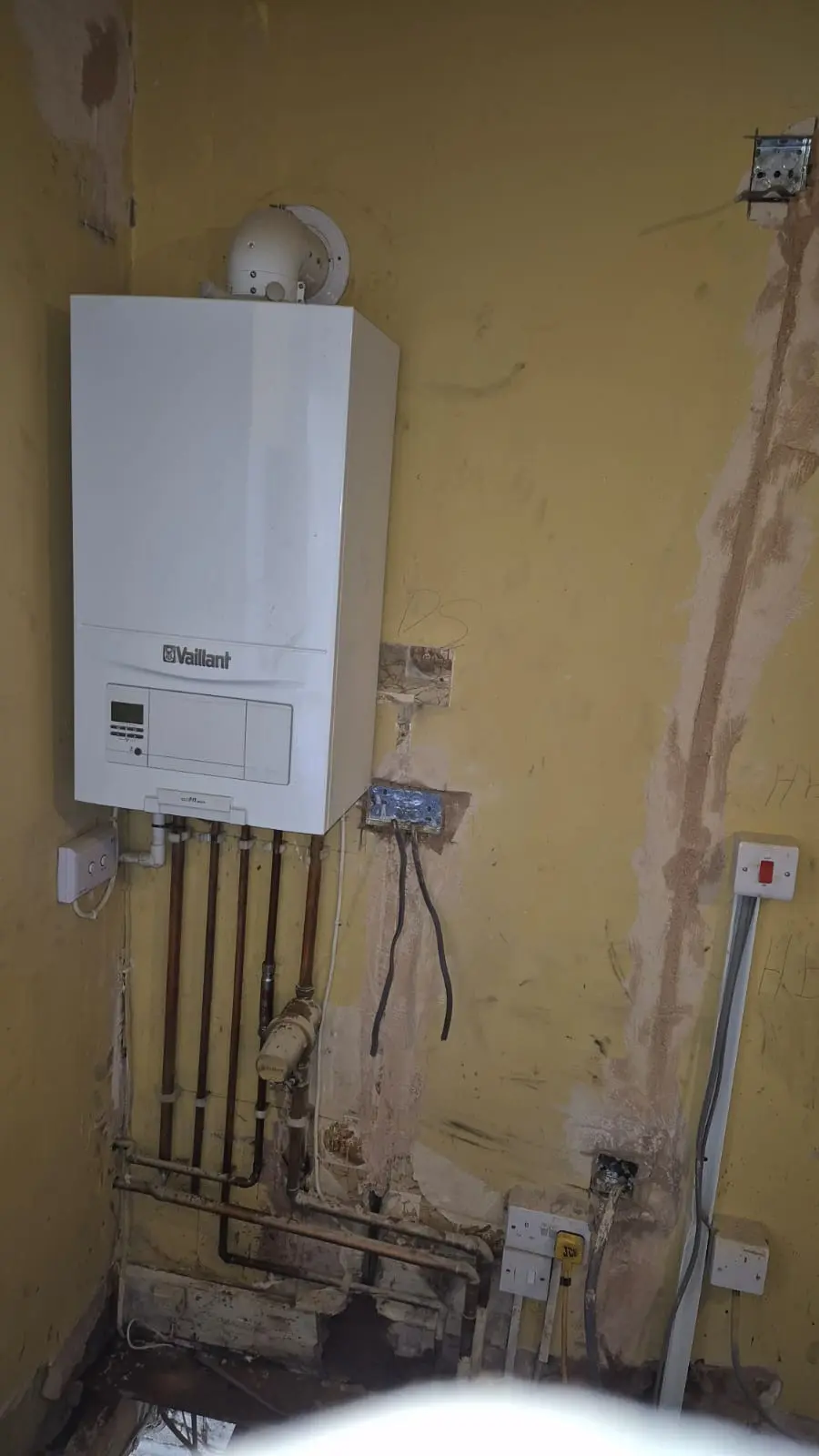
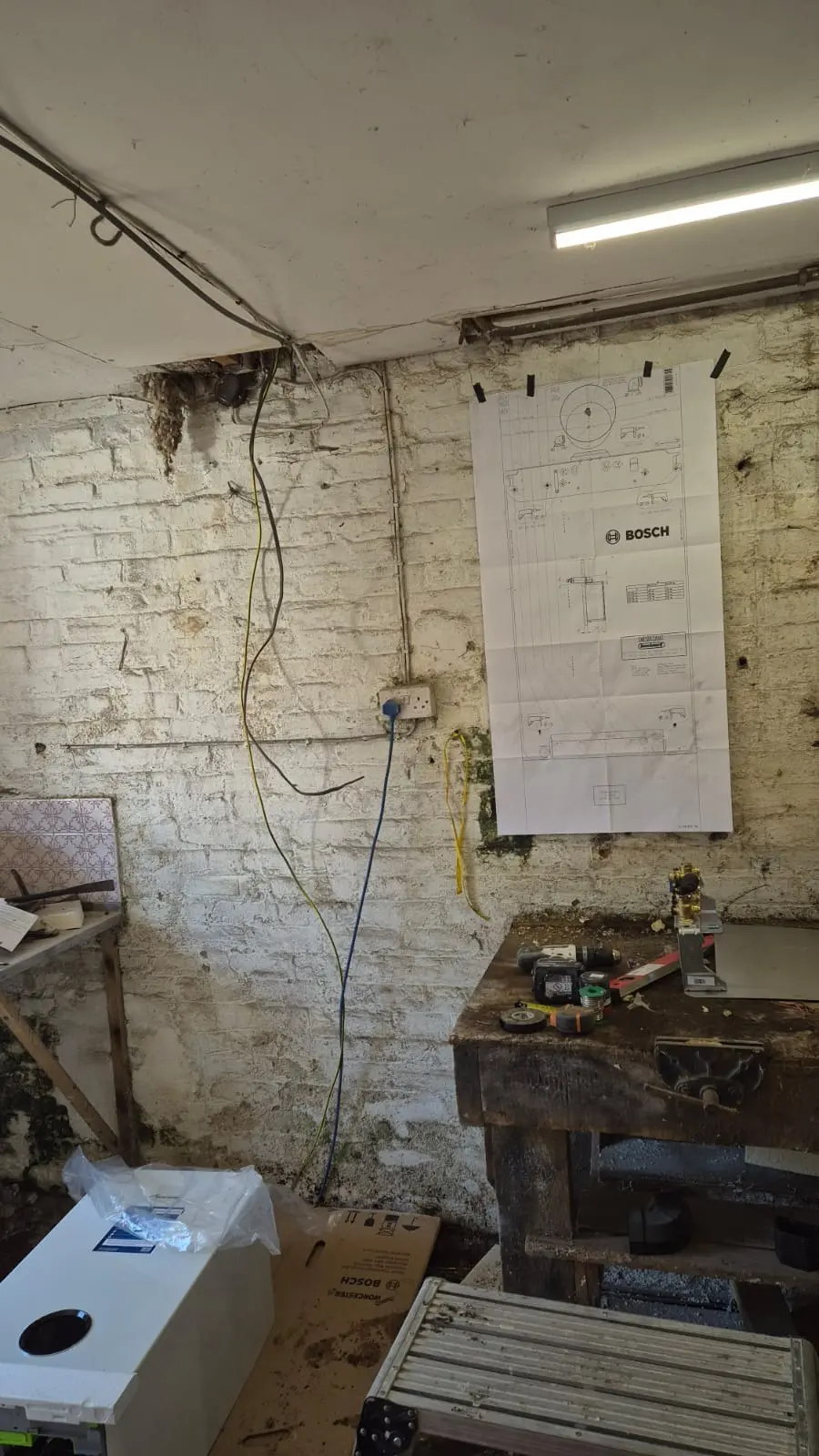
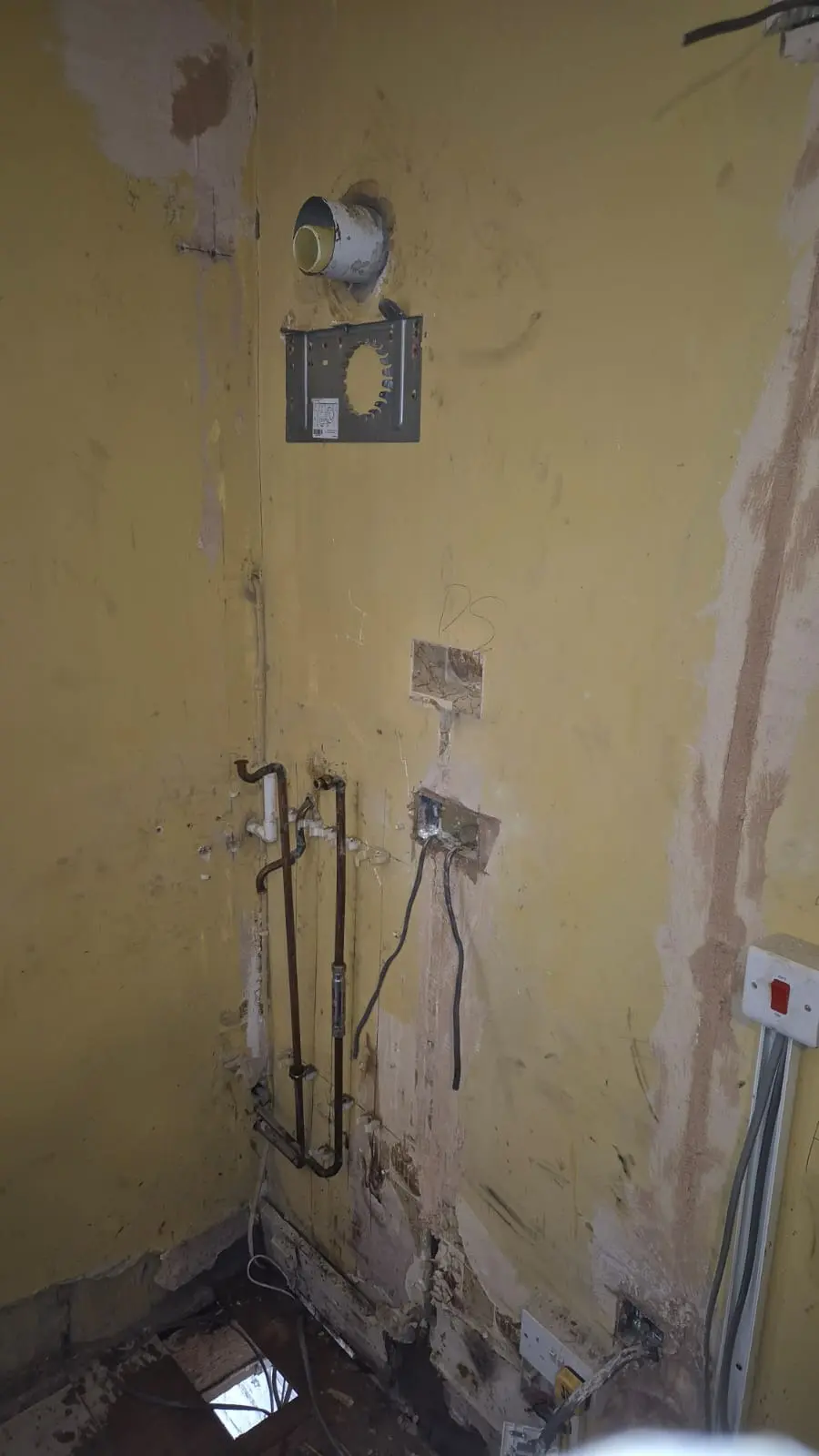
The property had a working Vaillant combi mounted on an internal wall. The customer wanted it out of that room entirely and moved down to the cellar, where a workbench and existing services already were.
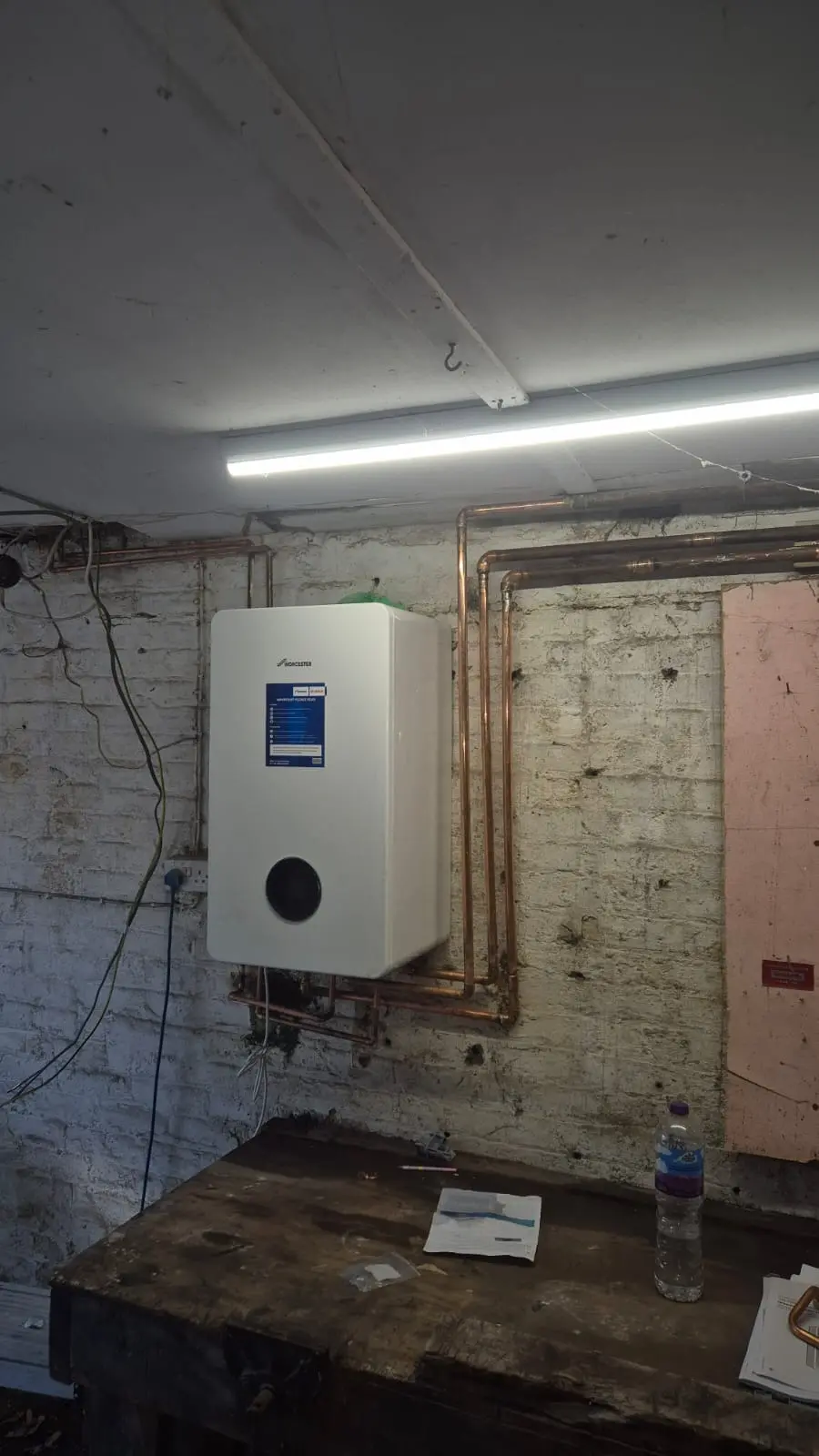
We took the old boiler off the wall, capped and stripped back the redundant pipework, and installed a Worcester Bosch 8000 combi in the new position.
What actually drives the cost
Four things, in roughly this order of impact.
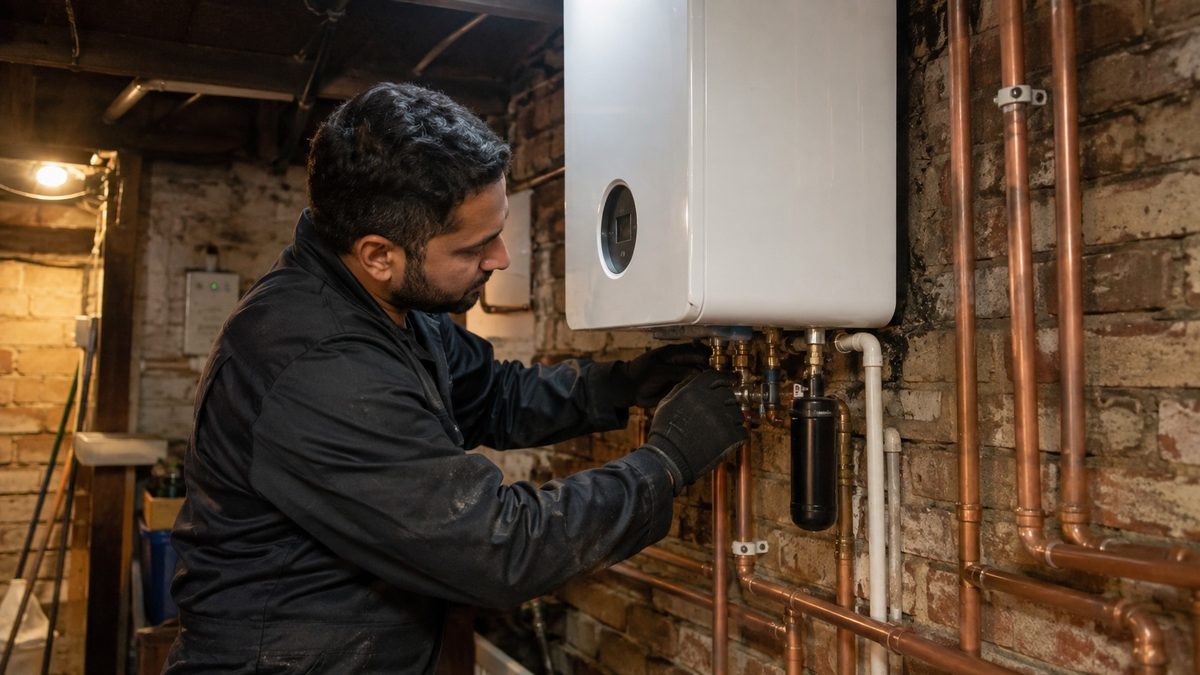
Pipework runs. Gas, mains cold, heating flow and return all have to reach the new position, in the right diameters. On this job that meant new copper across the cellar wall — visible in the photographs, and deliberately run neatly rather than buried, so it can be maintained.
The flue. A boiler needs a compliant flue route with the correct clearances from windows, doors and boundaries. This is the single most common reason a proposed position turns out not to work. It has to be assessed on site before anything is quoted.
Condensate. A modern condensing boiler produces acidic condensate that needs a fall to a suitable drain. In a cellar or a loft there is often no gravity route, which means a condensate pump — a real cost and an extra point of failure to plan around.
Making good. The old position leaves a flue hole, redundant pipe tails and chased plaster. Someone has to deal with that, and it should be in the quote rather than a surprise afterwards.
Can you move a boiler anywhere?
No. The position has to satisfy flue clearances, ventilation, access for servicing, and a route for condensate. Lofts need frost protection and a boarded, lit, safely accessible space. Bedrooms and bathrooms have their own restrictions.
Any Gas Safe engineer will tell you where a boiler can go before quoting. If someone quotes a relocation without looking at the flue route, that is a warning sign.
What it cost
Reion's typical pricing, by job type:
- Straight combi swap (same position, like-for-like) — £600–£800
- Combi relocation (new position, new pipework and flue route — the job pictured here) — £800–£1,200
- System conversion (moving from a heat-only or system boiler to combi, or a major layout change) — £1,500–£1,800
A relocation costs more than a straight swap because of everything in the section above — new pipework, a new flue route, and often a condensate pump. It costs less than a full conversion because the system itself — radiators, hot water demand, controls — is not changing, only where the boiler sits.
The job in these photographs, moving a working combi into the cellar of a Wimbledon property, falls in the relocation band: £800–£1,200, depending on the pipe run and whether a condensate pump is needed. The exact price for any job is confirmed after Reion has seen the flue route in person, not before.
Why a Worcester Bosch 8000
The 8000 series is a common specification for a relocation like this — a compact combi with strong hot water flow rates for its size, which matters when the new position is somewhere like a cellar, further from the taps it serves. It fits within Worcester Bosch's own guarantee scheme when installed and registered correctly, which we always do.
Thinking about moving your boiler?
R.W. Miller Plumbing & Heating covers Wimbledon and the surrounding South London boroughs. Reion is Gas Safe registered (number 919881) and will look at the proposed position, confirm whether the flue route works, and give you a fixed price before any work starts.
The £80 diagnostic fee covers the first hour on site.